
(Osaka, Japan — August 13, 2026) More than 6,000 believers and pastors participated August 9 in a global prayer gathering supporting Christians facing persecution in China. The event drew participants from countries including Japan, South Korea, the U.S. and Australia, with an in-person gathering at Living Jesus Church in Osaka, Japan, and most attendees joining online.
The Osaka gathering reconvened the monthly “Fasting and Prayer for the Persecuted Church in China” movement, which holds prayer gatherings on the ninth of each month. The event was livestreamed on multiple platforms, including YouTube.
Diverse groups united for the event including Beijing Zion Church, Early Rain Covenant Church, ChinaAid, and local congregations such as Osaka Multiethnic Christian Church and Word’s Love New Life Fellowship.
The gathering opened with a prayer led by Japanese Pastor Matsudaira, who called for unity among Christians across national boundaries and asked God to grant mercy and strength to Christians in China facing persecution.
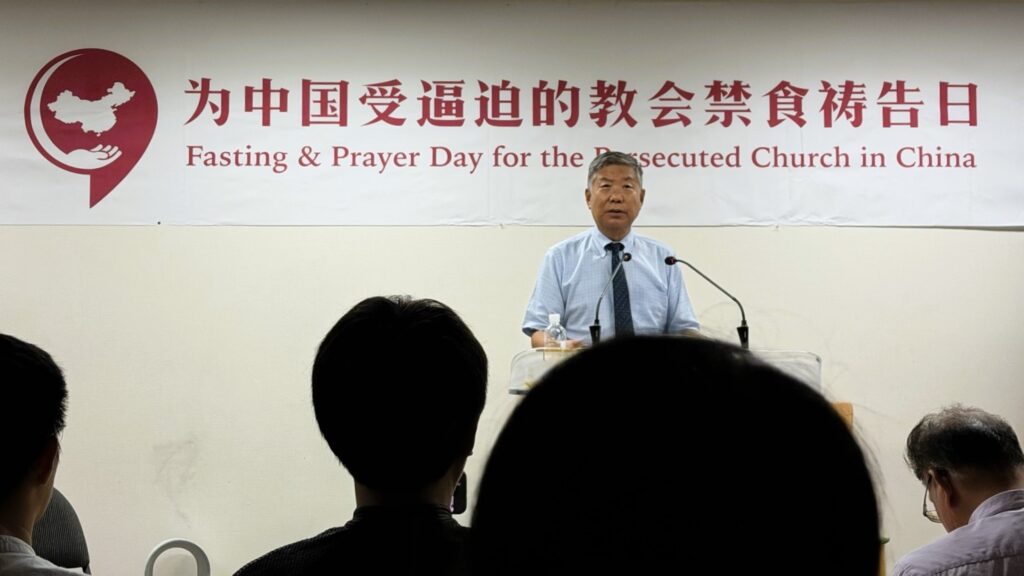
Pastor Bob Fu, founder of ChinaAid, delivered a message titled “When the Floods Rise, the Lord Sits Enthroned.”
He described four emerging trends in the persecution of Chinese churches and believers, including the dismantling of prominent house churches, criminalization of routine church activities, designation of entire churches as criminal organizations and the spread of repression beyond China’s borders.
China’s four avenues of repression
Fu said Chinese authorities have intensified their campaign against churches since fully implementing what they call the “Sinicization” of religion. Fu described the policy as “Partyization,” saying it requires religious groups to remain loyal to the Chinese Communist Party and accept political control.
1. Escalation from removing crosses to dismantling entire house churches
Suppression now extends beyond the removal of religious symbols from church buildings to prominent house churches, including Early Rain Covenant Church, Maizhong Reformed Church and Beijing Zion Church. Numerous pastors and ministry workers from these congregations have been detained or prosecuted.
2. The criminalization of routine church life
Authorities have increasingly used criminal charges such as “illegally using information networks” to prosecute pastors. They have also collected believers’ biometric data, including DNA, fingerprints, voiceprints and facial data, as part of a broader digital surveillance system.
3. Designation of entire churches as criminal organizations
In Yayang Church in Taishun County, in Zhejiang province’s Wenzhou area, more than 20 believers serving in administrative, financial and food-service roles were labeled members of a “criminal organization” and detained.
4. Expansion of persecution beyond national borders
Chinese pastors, human rights activists, and media professionals overseas have also faced surveillance, cyberattacks and intimidation, even in countries like the U.S. Fu said the pressure demonstrates transnational repression – a campaign against religious freedom that increasingly extends beyond China’s borders.
Despite the severity of the persecution, Fu emphasized that the Church in China remains resilient. Many house churches have adapted by shifting to small groups, online meetings or decentralized gatherings.
He urged churches in Japan and around the world to continue praying, speaking out, welcoming those facing persecution and walking alongside suffering Christians.
‘Freedom to pursue truth’
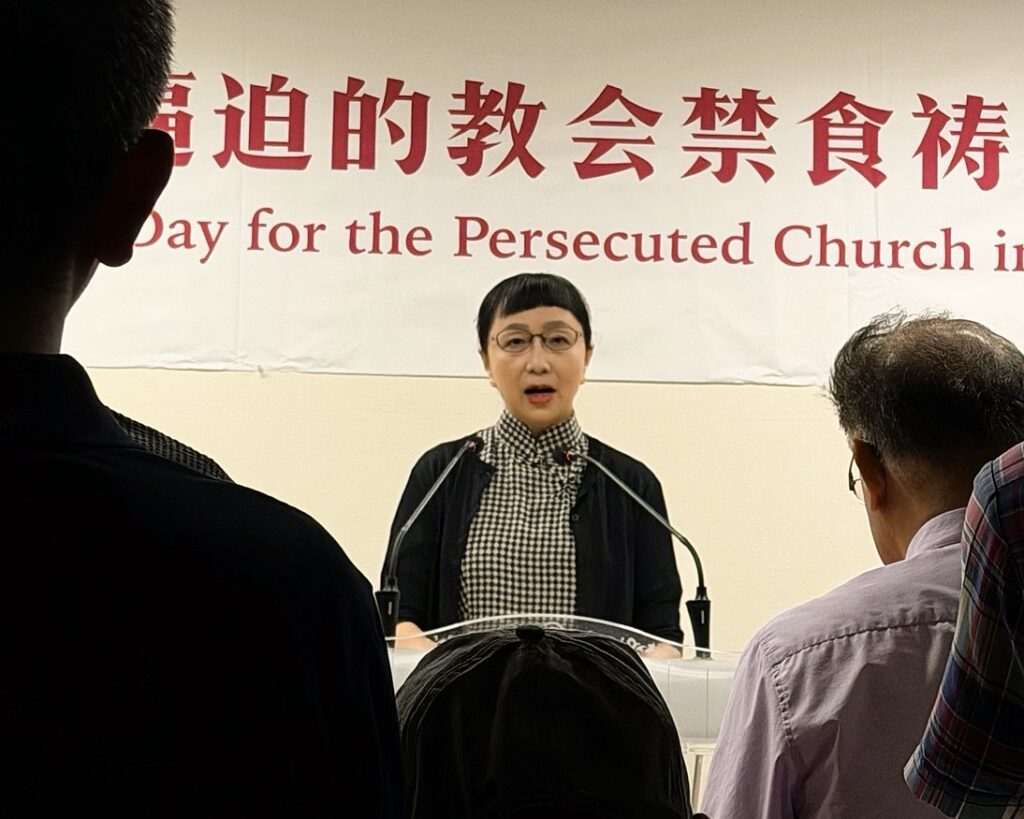
During the gathering, several pastors and representatives shared reflections and delivered sermons. Professor Liu Yanzi, a Japanese scholar, recounted moments from the life of Pastor Wang Yi, who remains imprisoned. Liu called for “China to enjoy freedom from fear and the freedom to pursue truth.”
Pastor Yang Jun of Beijing Zion Church described the arrest of his wife, Wu Qiuyu, and the separation and suffering their family experienced, as recently reported by ChinaAid News. Yang criticized authorities for exploiting human compassion as a means of coercion.
He concluded with four prayer requests: peace and strength for the “Zion 8,” the eight Beijing Zion Church Christians facing legal proceedings; courage and wisdom for the 16 defense lawyers; protection of judicial justice by public officials; and courage for all Zion Church members to remain witnesses for Christ.
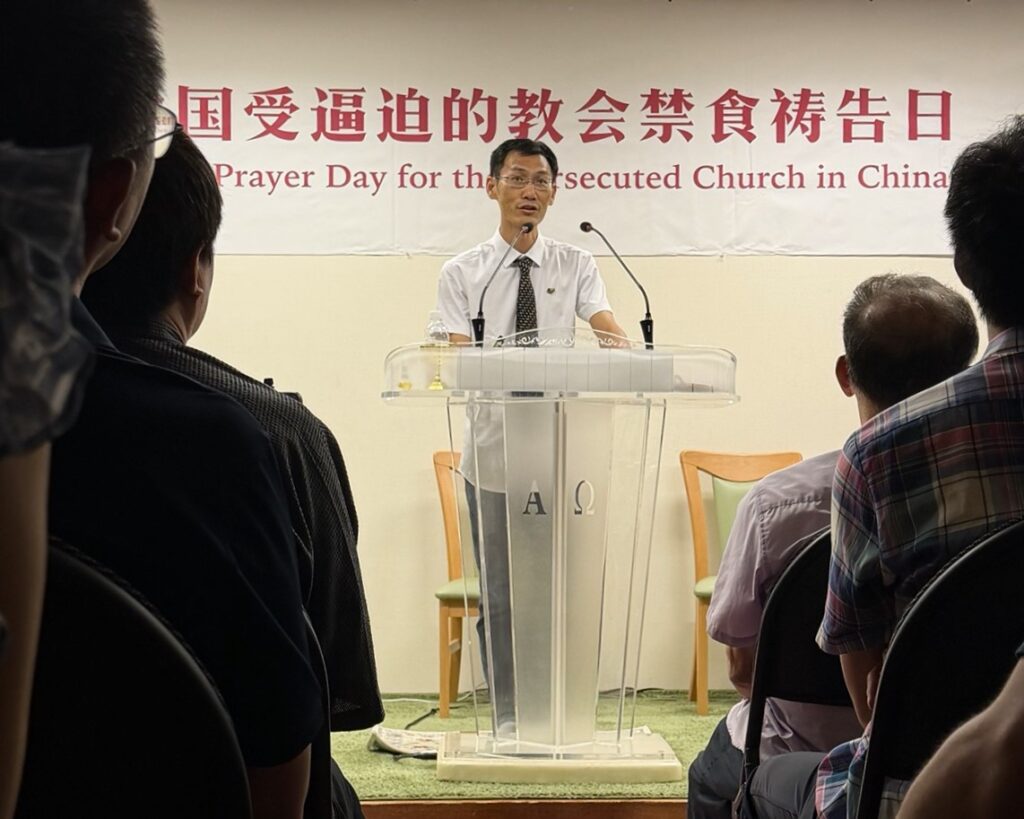
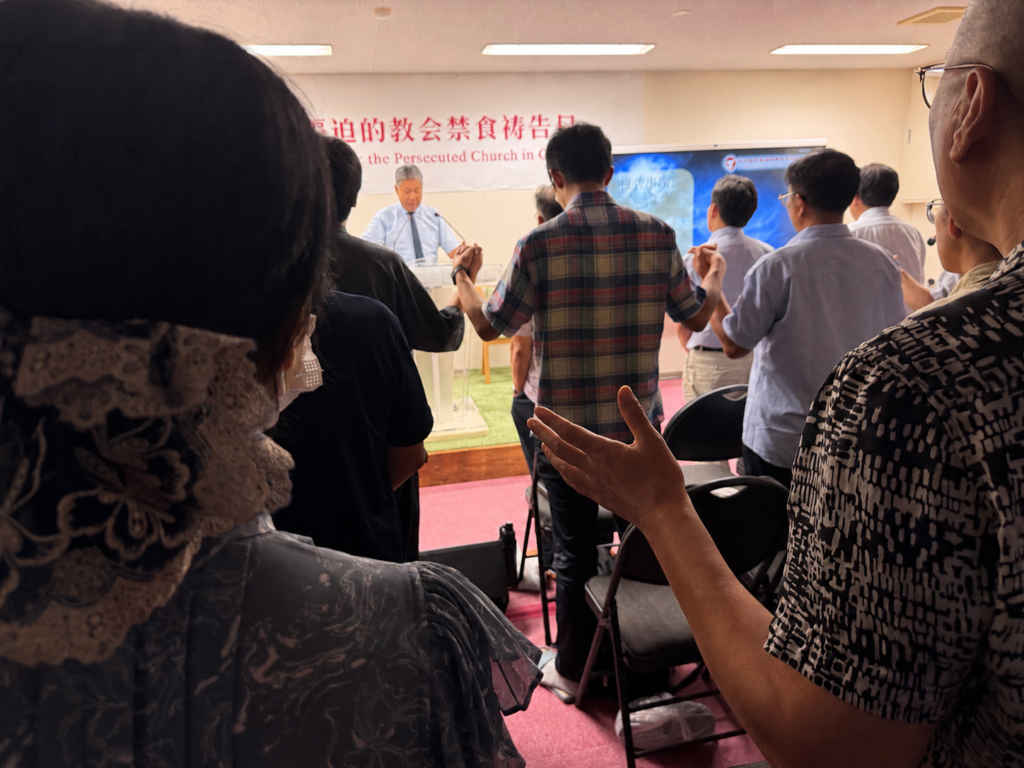
At the event’s conclusion, many attendees remained seated, quietly reflecting their connection with fellow ministry workers and reluctance to part. Although the prayer meeting had ended in Osaka, participants emphasized that their solidarity with Christians facing persecution in China would continue.
Gao Zhensai is a special correspondent for ChinaAid News. Founded in 2002, ChinaAid is an international Christian human rights organization committed to promoting religious freedom and the rule of law in China through advocacy, legal support, and international awareness campaigns.