
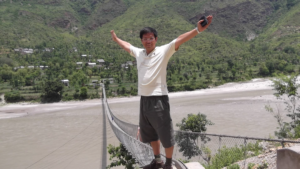
By Ginger Duan
Today, Pastor John Cao is fighting stage 4 prostate cancer in China, more than two years after completing a seven-year prison sentence. The U.S. permanent resident wants to return to America for treatment and reunite with his wife and two sons, but Chinese authorities continue to withhold his passport.
Advocates are urging President Donald Trump to raise Cao’s case with Chinese leader Xi Jinping when they meet in Washington Sept. 24.
Cao’s story, however, reaches far beyond his current illness: For decades, he has combined Christian ministry with education and humanitarian work in China and across the China-Myanmar border.
Who Is Pastor John Cao?
John Cao, 67, was born in 1959 in Changsha, Hunan Province, in central China. In 1977, when China reinstated its national college entrance examination, he was admitted to the English Department of Hunan Normal University.
To practice speaking English, Cao approached foreigners on the streets of Changsha. In 1980, he met an American couple, the Smiths, who were devout Christians and gave him an English Bible and English-language magazines. Through their correspondence and Billy Graham’s gospel radio broadcasts, Cao committed his life to Christianity.
After graduating, Cao was assigned to teach English at a remote commune middle school in Shuangfeng County, Loudi. Because he felt God called him not to take the position, he publicly renounced his post-graduation job assignment, becoming the first university graduate in China to do so.
He sold jeans and worked odd jobs before finding a position at an American company in Guangzhou. With the Smiths’ help, Cao came to the United States in 1985 on a scholarship to study English and American literature at Campbell University in North Carolina.
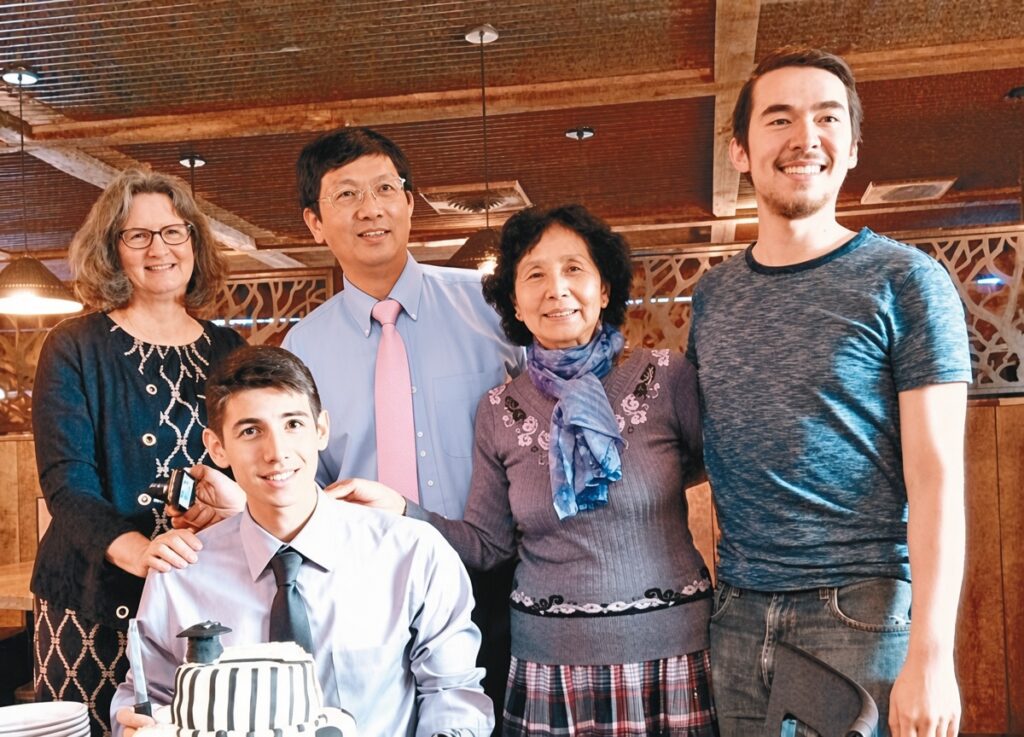
In the United States, Cao married Jamie Powell, an American citizen, in 1988, and the two began serving together in ministry. Cao later studied at Alliance Theological Seminary in New York in a program designed for those preparing to serve in China.
He became a U.S. lawful permanent resident in 1990, and his two sons, Amos and Benjamin, were born in the United States. Cao never became a U.S. citizen, partly because he wanted to retain his connection to China and the ability to return there to preach and serve without the visa restrictions facing a foreign missionary.
A Life of Service
In 1993, Cao returned to China and founded the Vineyard English School, teaching Bible-based English and character formation. As affiliated schools grew, they trained translators and other workers who later served in Myanmar’s Wa State.
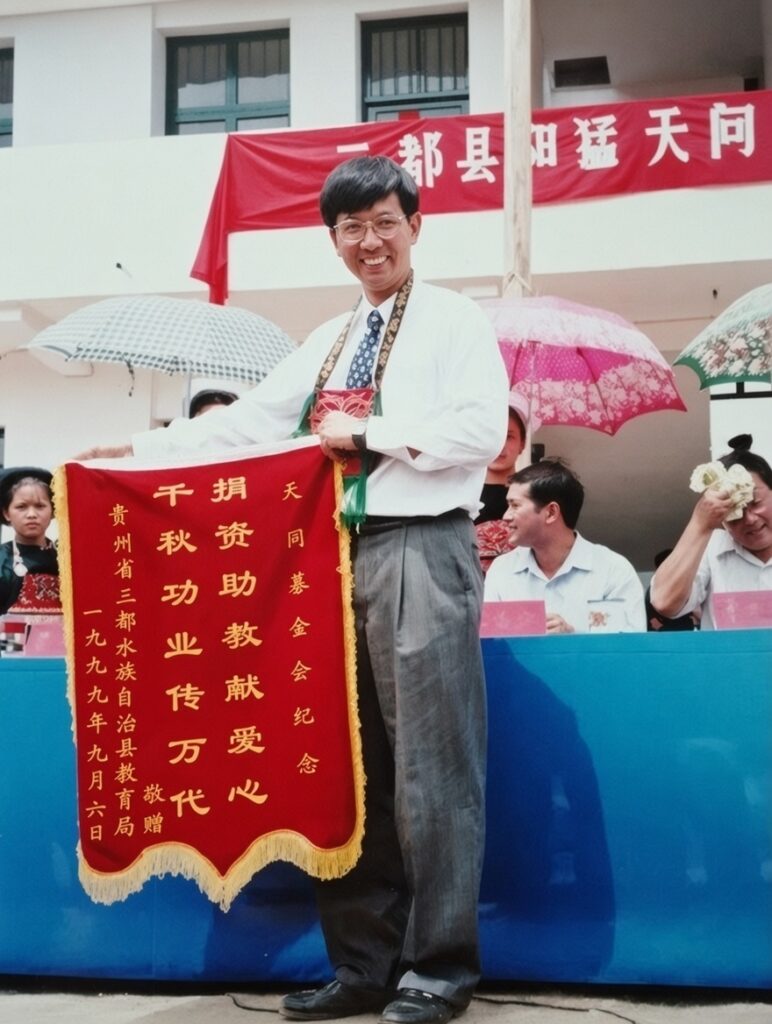
His charitable work expanded beyond education. In 1999, he funded a Hope School in Sandu County, Guizhou Province, in southwestern China. In 2003, he co-funded another in Luchun County, Yunnan Province, also in southwestern China. Both were handed over to local governments free of charge after completion.
After the 2008 Wenchuan earthquake, Cao led students into the disaster zone to provide relief. When an earthquake struck Nepal in 2015, he traveled there at his own expense, bringing his mother and younger son from the United States to help build temporary shelters.
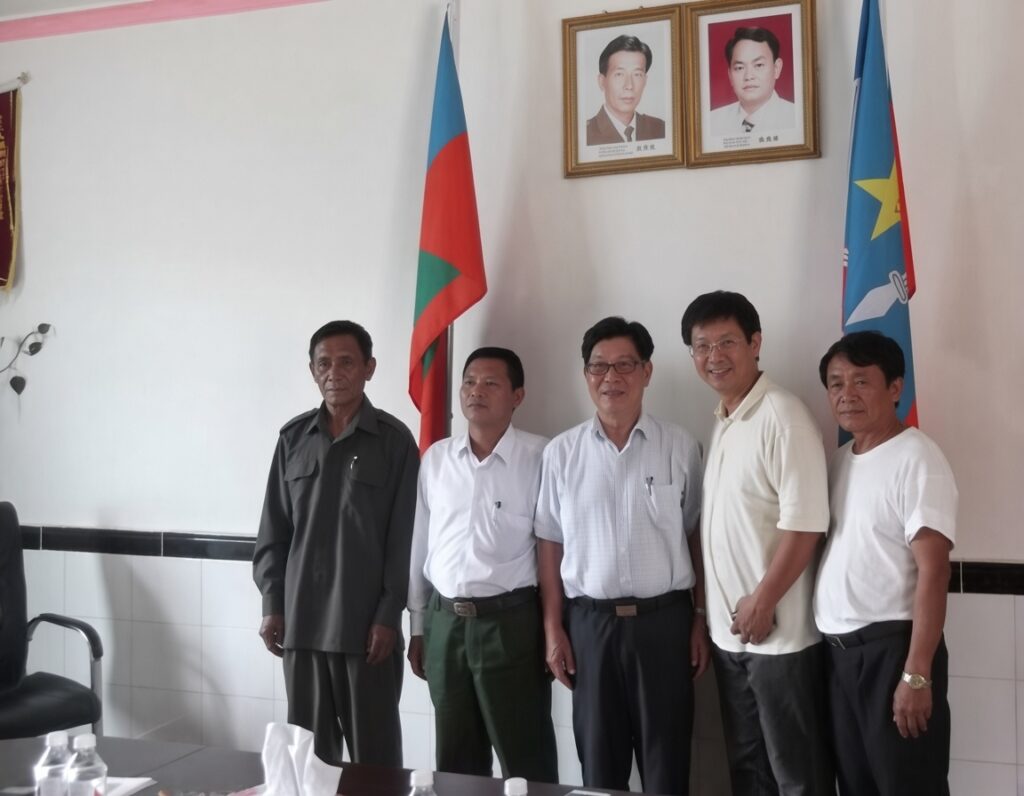
In 2013, Cao heard from Chinese Christians about desperate conditions in Myanmar’s Wa State, a remote region along China’s southwestern border. He traveled there to see the situation for himself and began the poverty-relief and education work that would ultimately define his ministry—and lead to his imprisonment.

Schools in the Mountains of Myanmar
Northern Myanmar has endured decades of civil war, displacement and extreme poverty. In Wa State, many communities had little access to formal education or medical care, while children faced malnutrition, drug addiction and, in some areas, recruitment by armed groups.
Cao initially worked in neighboring Kachin State, where fighting had driven tens of thousands of refugees toward the Chinese border. Beginning in 2012, he and volunteer teams organized shipments of food, medicine and shelter materials to refugee camps.
Volunteers and house-church networks from Shenzhen, Guangzhou, Beijing, Shanghai and elsewhere in China supported the effort. The work was dangerous: One co-worker, teacher Gao Mingchao, was killed by a stray bullet while carrying out a relief mission in the Kokang war zone.
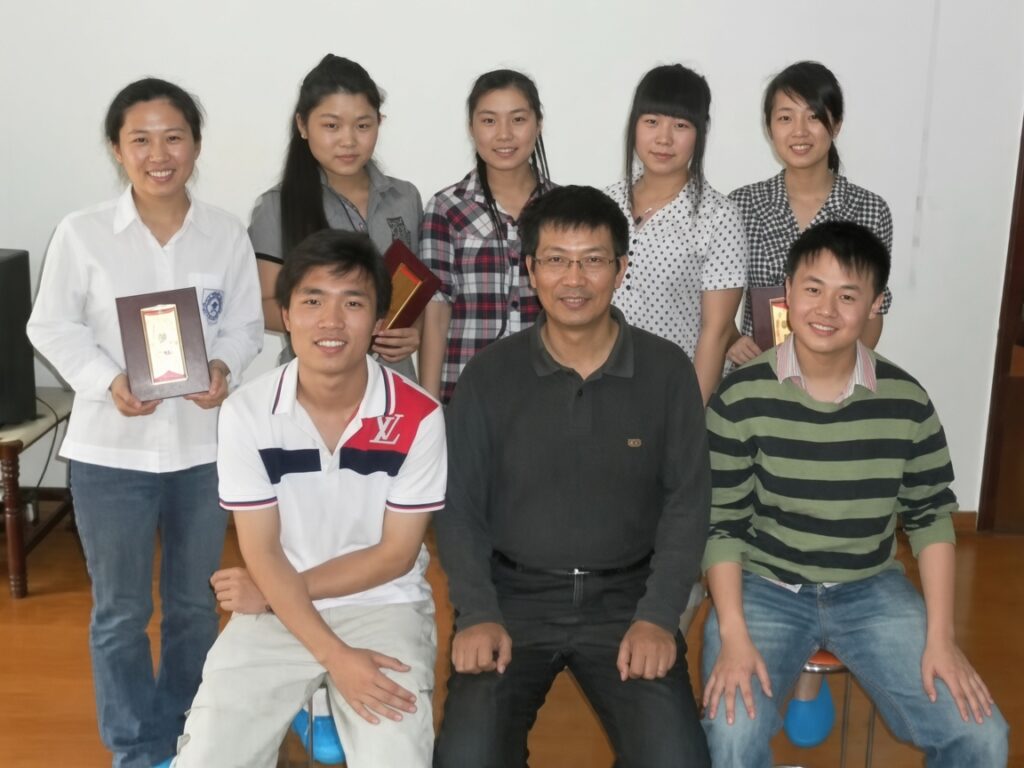
Cao eventually shifted his focus to Wa State, where conditions were relatively more stable but educational opportunities were scarce. Through house-church networks across China, he recruited and trained more than 200 young volunteer teachers.
They came from Xinjiang, northeastern China, Shanghai, Guangzhou, Beijing and elsewhere to live and teach in the mountains for a living stipend of about 1,500 RMB, or roughly $200, a month.
Building schools in the remote mountains was arduous. Teams searched for water, ran thousands of meters of plastic piping to construction sites and rented bulldozers to carve level ground from steep slopes. Volunteers worked alongside villagers to haul materials and lay foundations.
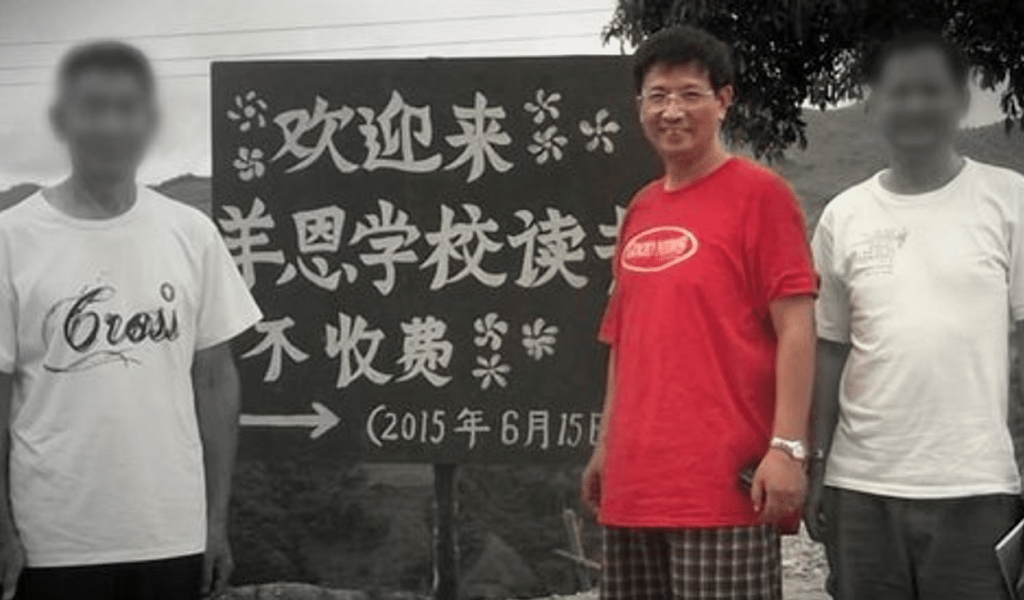
Over five years, Cao and his teams built 22 schools with accompanying chapels, 6 of which were fully established after his arrest, serving more than 2,000 impoverished children. The schools provided education from preschool through middle school, along with free room, board and clothing, as well as continuing anti-drug education.
Cao’s ministry won the respect of many local residents and officials. To people accustomed to seeing Chinese-financed casinos, brothels and other businesses operate in the region, his volunteers represented something very different.
He carried out the work openly, supported by Christians and churches in China and abroad. Yet his cross-border ministry eventually collided with the Chinese government’s suspicion of independent religious and civil-society activity.
Arrest and Imprisonment
On March 5, 2017, Cao was crossing back into Yunnan Province in southwestern China from Wa State on a bamboo raft when Chinese border police detained him and a colleague, Jing Ruxia.
Cao has said an officer told him during interrogation: “What you have done was good — but you have done too much of it.”
On March 22, 2018, the Menglian County Court in Yunnan sentenced Cao to seven years in prison and fined him 20,000 RMB for “organizing others to illegally cross the national border.” The Pu’er Intermediate Court upheld the conviction on appeal in July 2019.
The charge involved two elements: an illegal border crossing and organizing others to cross. Cao and his supporters have disputed both.
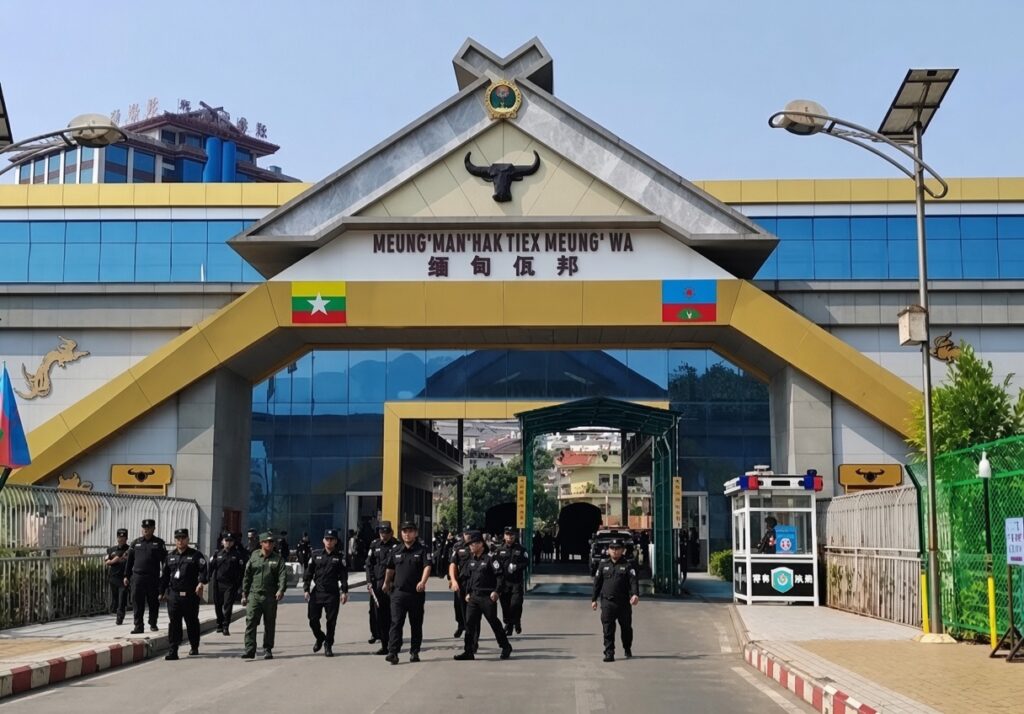
They argue that residents in the area had long crossed the China-Myanmar border using locally issued passes and that there was no practical legal route for Chinese volunteers from other provinces to enter Wa State, which is controlled by an ethnic armed organization.
They also argue that the “organizing” charge was inappropriate because Cao’s activities involved volunteers providing education and humanitarian assistance, not people being recruited or transported for profit.
The United Nations Working Group on Arbitrary Detention reached a similar conclusion in 2019, determining that Cao had been singled out because of his Christian faith and that the measures against him constituted religious profiling and discrimination.
After Cao’s arrest, the Wa State government expelled more than 100 Chinese volunteer teachers in 2019. Some were detained when they returned to China, and most of the schools were eventually forced to close.
Seven Years Behind Bars
Cao spent two and a half years at the Menglian County Detention Center. He has described severe conditions, including 10 men sharing a narrow sleeping platform and surviving on two sparse meals of rice and vegetables each day. He lost more than 40 pounds during his first three months.
Even in detention, he continued ministering to those around him. He preached to prisoners, including men convicted of serious crimes, and baptized several inmates using rainwater collected in the courtyard.
In 2019, Cao was transferred to a prison in Kunming, the capital of Yunnan Province. He initially worked on a garment assembly line for an allowance of 5 RMB a month.
He was later moved to a sealed maximum-security unit after continuing to pray for others and share his faith. Cao says that during nearly four years in the unit, he saw sunlight roughly 20 times, never for more than 10 minutes.
He was denied any sentence reduction and served all seven years.
Family visits were limited to once a month for 30 minutes through soundproof glass. During one visit, his mother mentioned that people were praying for him. The call was immediately cut off because officials considered the conversation religious activity.
Denied a Bible for all seven years, Cao relied on Scripture he had memorized. He also searched foreign novels in the prison library for Bible passages quoted by authors such as Leo Tolstoy, copying more than 100 verses into a notebook that became his homemade “miniature Bible.”
He wrote poems on discarded cardboard, including “Gospel Shoes,” which reflected his determination to continue serving God despite his imprisonment.
With Gospel shoes upon my feet, I run light-footed at the call — leaping ravines, crossing mountains, wind rising at my heels; beautiful are the footsteps of those who are sent. The road ahead is still long; I press on, and grow the stronger. Onlookers, stirred, long to join the ranks — generation after generation walking on, without end.
A Prison Without Walls
Cao was released shortly after midnight on March 4, 2024, after serving his full seven-year sentence. Four police officers escorted him overnight from Yunnan back to his family home in Changsha.
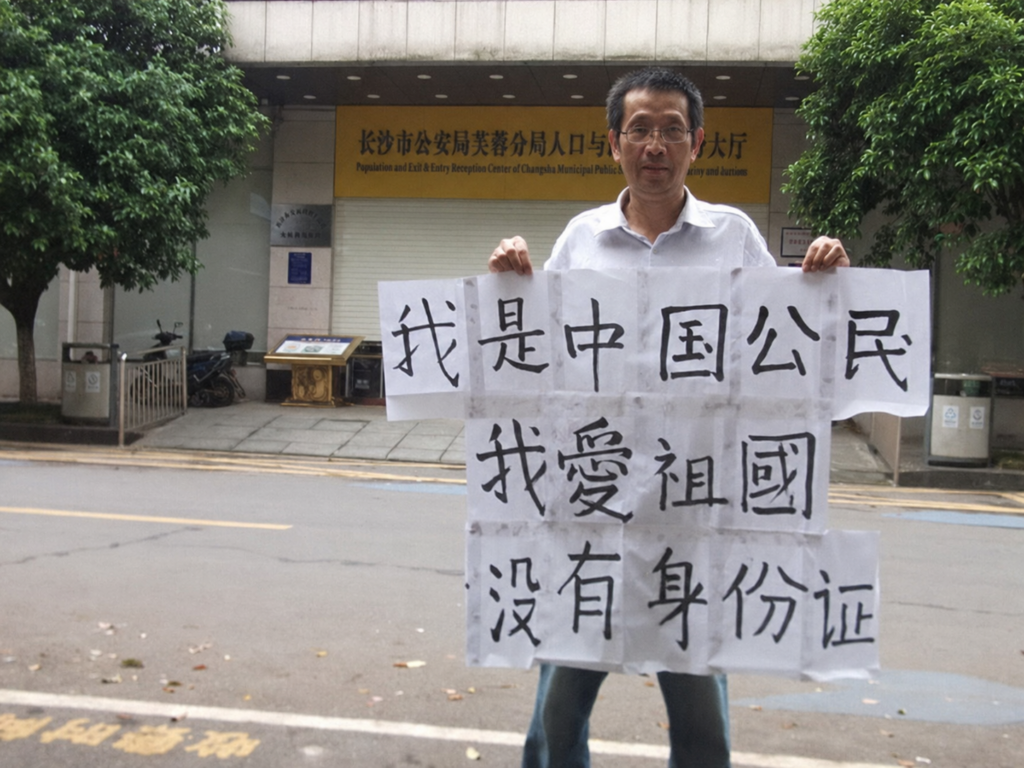
His release, however, did not bring full freedom. With his identity documents and household registration unresolved, he initially could not obtain a SIM card, receive medical care, find employment or conduct ordinary daily transactions.
With help from a lawyer, he spent more than six months seeking the return of his national ID card. The ID card was eventually restored, but his passport was not. His application was refused, and he was placed on an exit-ban list.
His wife and two sons live and work in the United States, leaving Cao separated from his immediate family. He remains under surveillance and says that when he travels outside Changsha, three police officers accompany him.
ChinaAid reported in 2025 that Cao remained subject to the exit ban long after his release.
Despite those restrictions, Cao resumed his ministry. He rises around 5 a.m. each morning for extended prayer, including prayer for his family, fellow Christians and people still imprisoned in China.
In November 2025, he traveled to the Beihai No. 1 Detention Center to pray for Pastor Ezra Jin of Beijing Zion Church, who was then detained. He also wrote letters to imprisoned co-workers.
Between June and November 2025, Cao baptized more than 20 people. He regularly visits sick people in hospitals and homeless people on the streets and under bridges in Changsha, bringing them food and practical care.
The Final Countdown
Years of imprisonment and limited access to medical care have left Cao with multiple chronic illnesses. In April 2026, doctors diagnosed him with late-stage prostate cancer that had spread to his spine.
After severe leg pain and insomnia left him unable to sleep or walk for about a month, Cao sought treatment at Xiangya Hospital in Hunan. An MRI revealed advanced tumors, and he lost about 11 pounds in a month.
Doctors initially scheduled surgery to remove the spinal tumors but canceled it because of the risks. He is now undergoing chemotherapy, with six cycles planned at 21-day intervals, followed by radiation. Doctors are monitoring whether he can tolerate the treatment.

In a May 19 prayer letter, Cao compared his experience to that of Job. His doctors have told him his life is now on a countdown.
During his illness, his wife Jamie, his elder son Amos and Amos’ fiancée traveled from the United States to spend 10 days with him and celebrate his 67th birthday.
After they returned to the United States for work, members of a local house church took turns cooking for him, while one young Christian stayed with him around the clock.
Cao’s deepest longing is now simple: He wants to return to the United States for treatment and spend whatever time remains with his family. He has submitted his application to the Chinese government, which holds the final decision.
There is precedent for such a decision. Advocates point to the case of Pastor Jin Mingri, whose situation was raised with Xi during Trump’s May 2026 visit to Beijing. Jin was released July 4 and reunited with his family in the United States.
Now, advocates are asking Trump to raise Cao’s case when he meets Xi in Washington Sept. 24 and seek the return of Cao’s passport so he can receive treatment and go home. ChinaAid has joined the campaign, describing Cao’s situation as an urgent humanitarian appeal.

For Cao, however, the story is larger than his imprisonment or illness. For more than four decades, he has understood his Christian faith as a call to serve—first in China, then among refugees and impoverished children in Myanmar, and now among sick, homeless and imprisoned people in China.
His circumstances have changed repeatedly, but the ministry has continued. Even after seven years behind prison walls and more than two years in what he calls a “prison without walls,” Cao remains committed to preaching the gospel, serving people in need and praying for those who suffer.
Now, as he battles cancer and waits for permission to leave China, his hope is to finish that journey by going home.
Ginger Duan is an author and grassroots advocate focused on mobilizing Chinese-speaking diaspora communities to engage in civic life and free expression. This article, edited for length, has been published with permission.